Explore lenses for your vision
- Lenses by subject


Wildlife / Birds
Seeing more, without getting closer
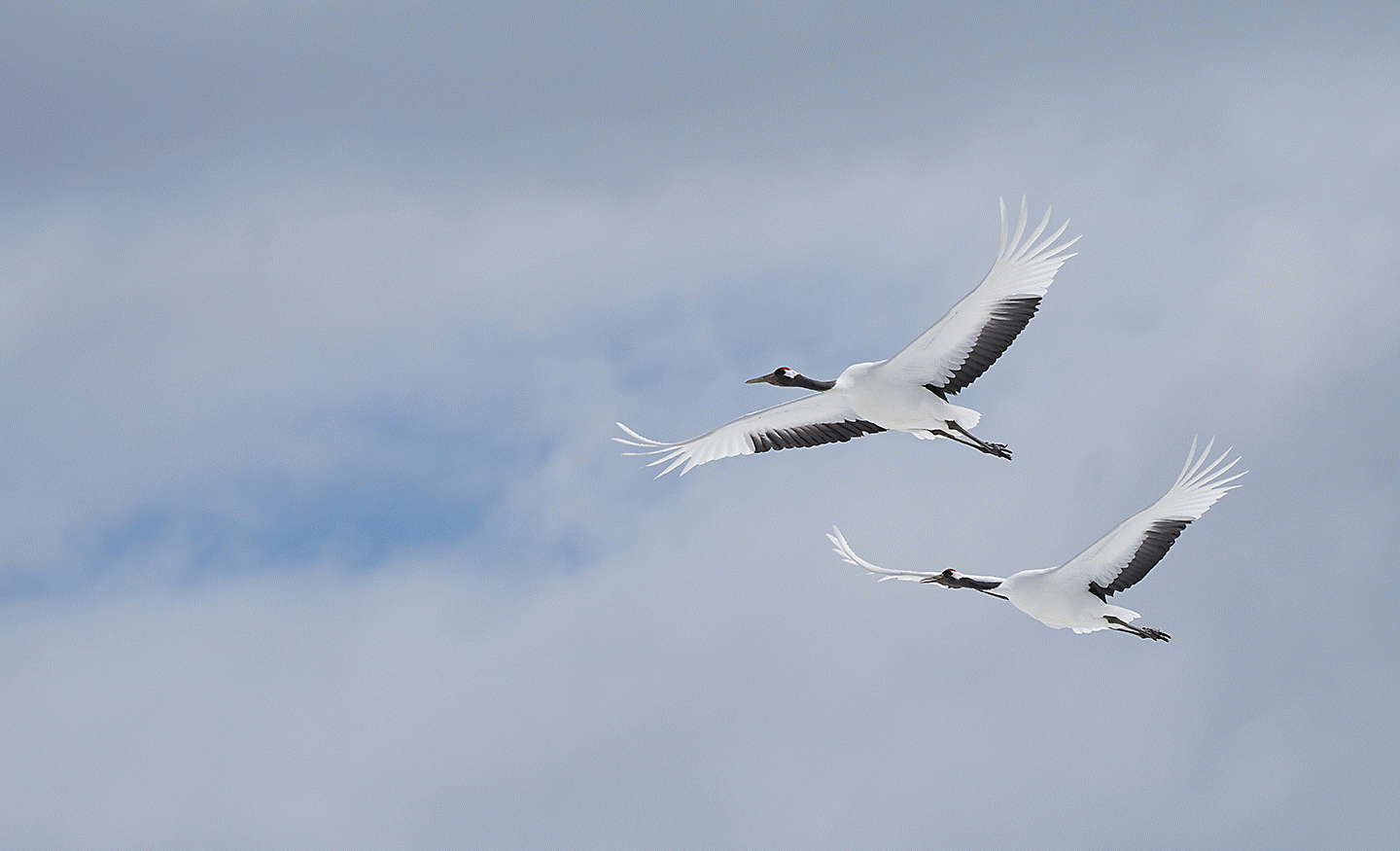
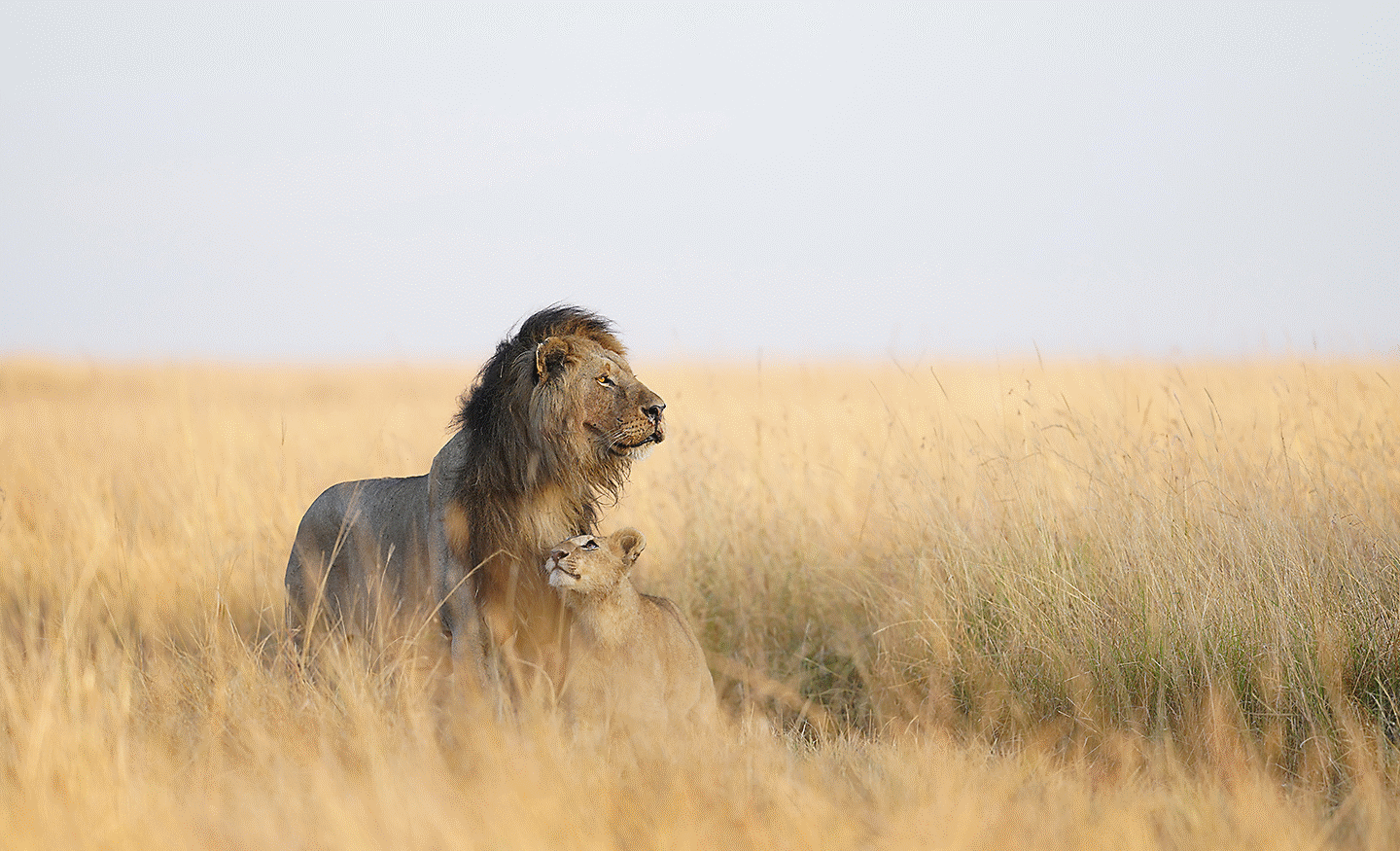
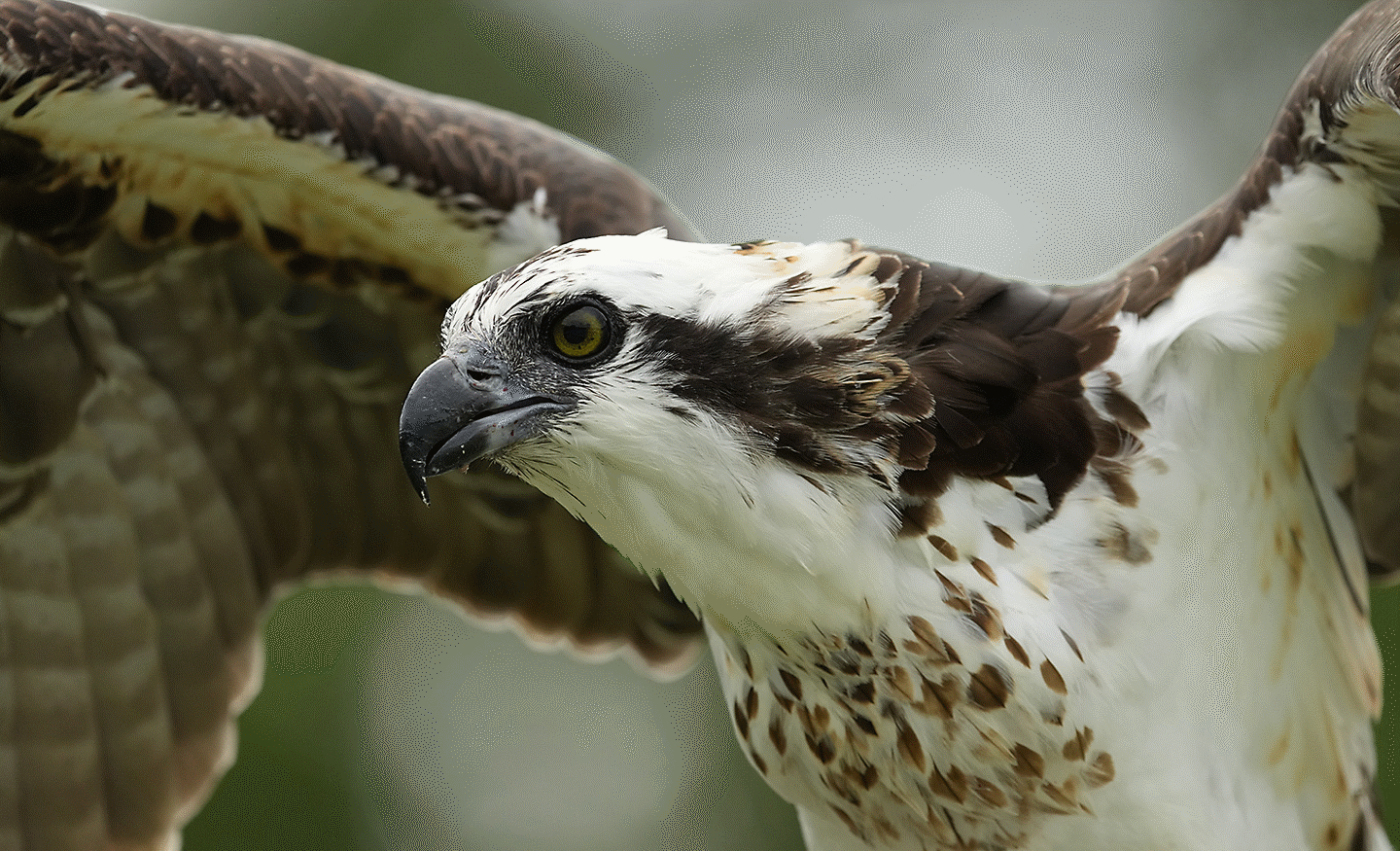
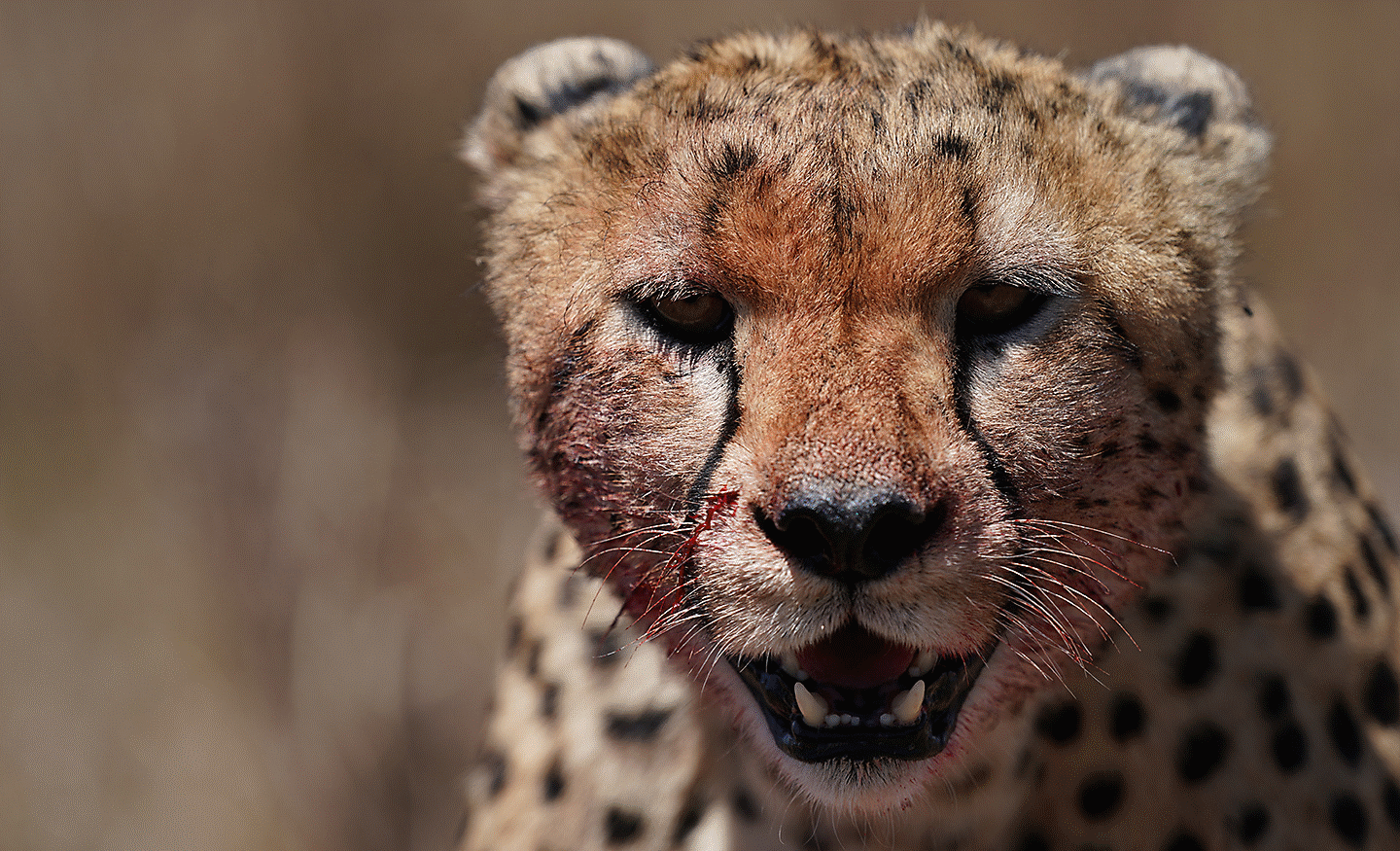
Wildlife and bird photography is typically shot with telephoto and super-telephoto lenses. Longer focal lengths allow you to photograph cautious subjects from a distance, making it easier to capture decisive moments.
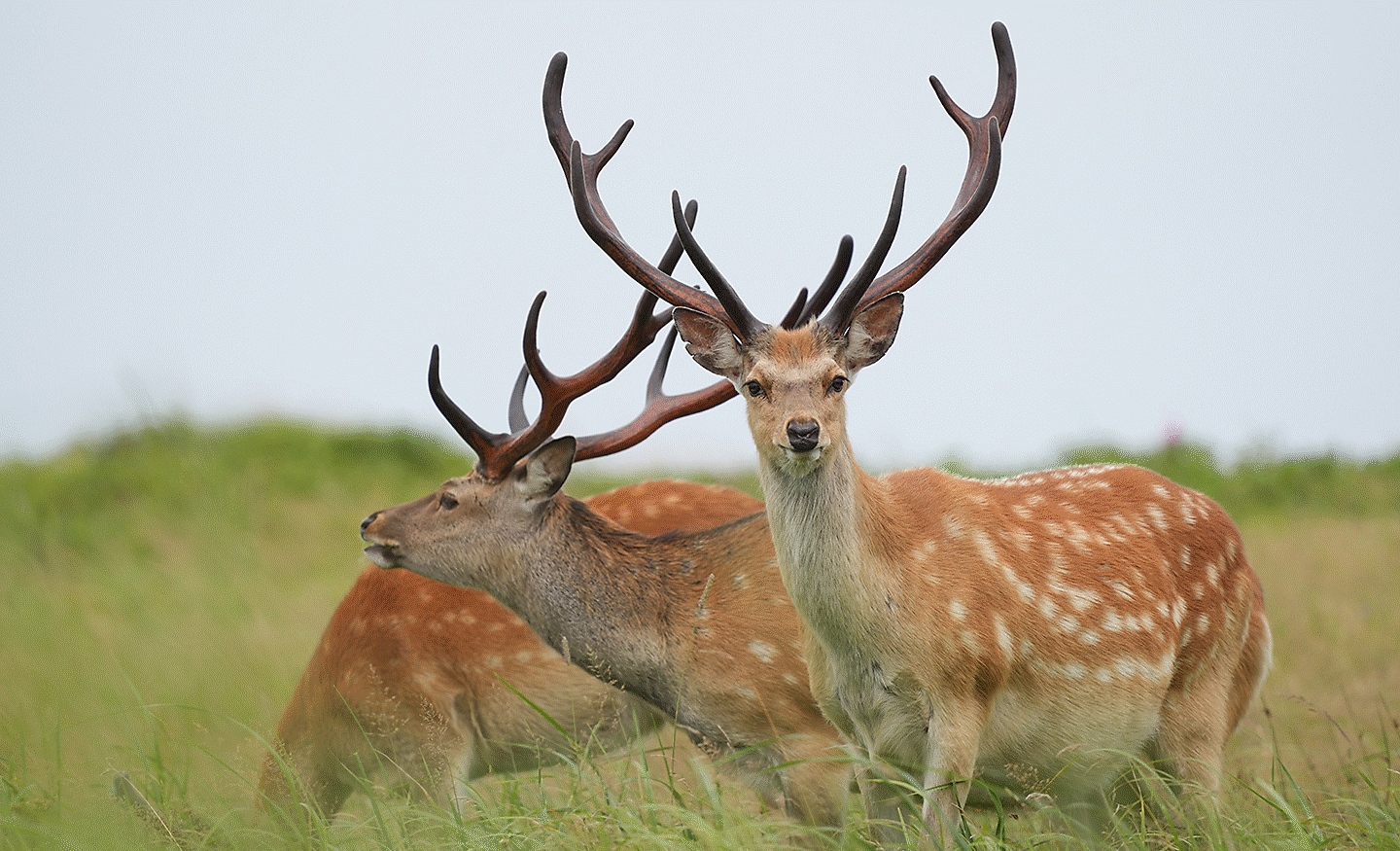
Telephoto lenses around 100 mm include both the subject and its surroundings in a balanced way. At 400 mm and beyond, super-telephoto lenses help simplify the background and isolate the subject.
Recommended lenses
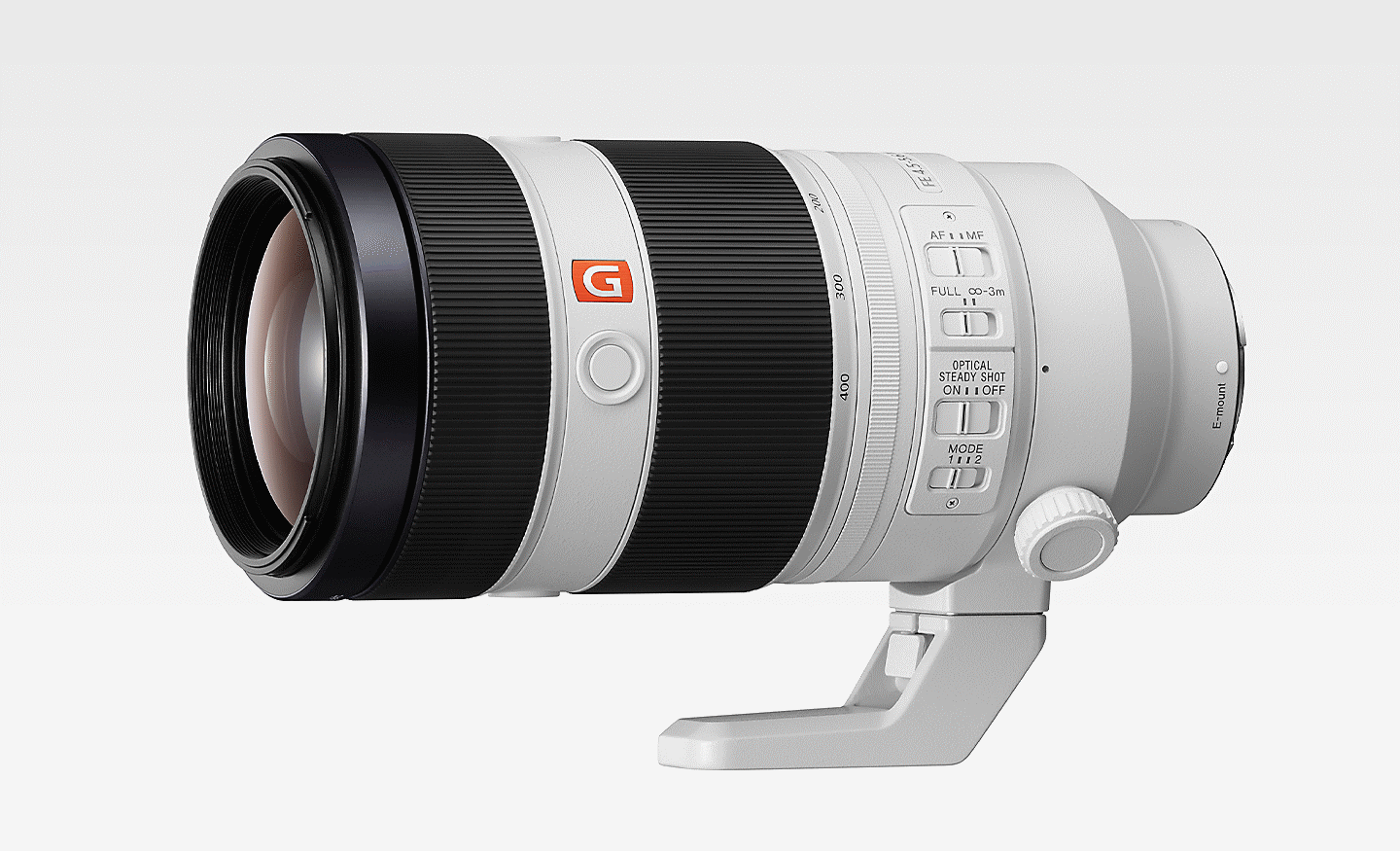
SEL100400GM
FE 100-400mm F4.5-5.6 GM OSS
Sharp super-telephoto zoom, tenacious AF
• Double linear motor and Direct Drive SSM provide fast, precise AF
• Light weight for maximum mobility

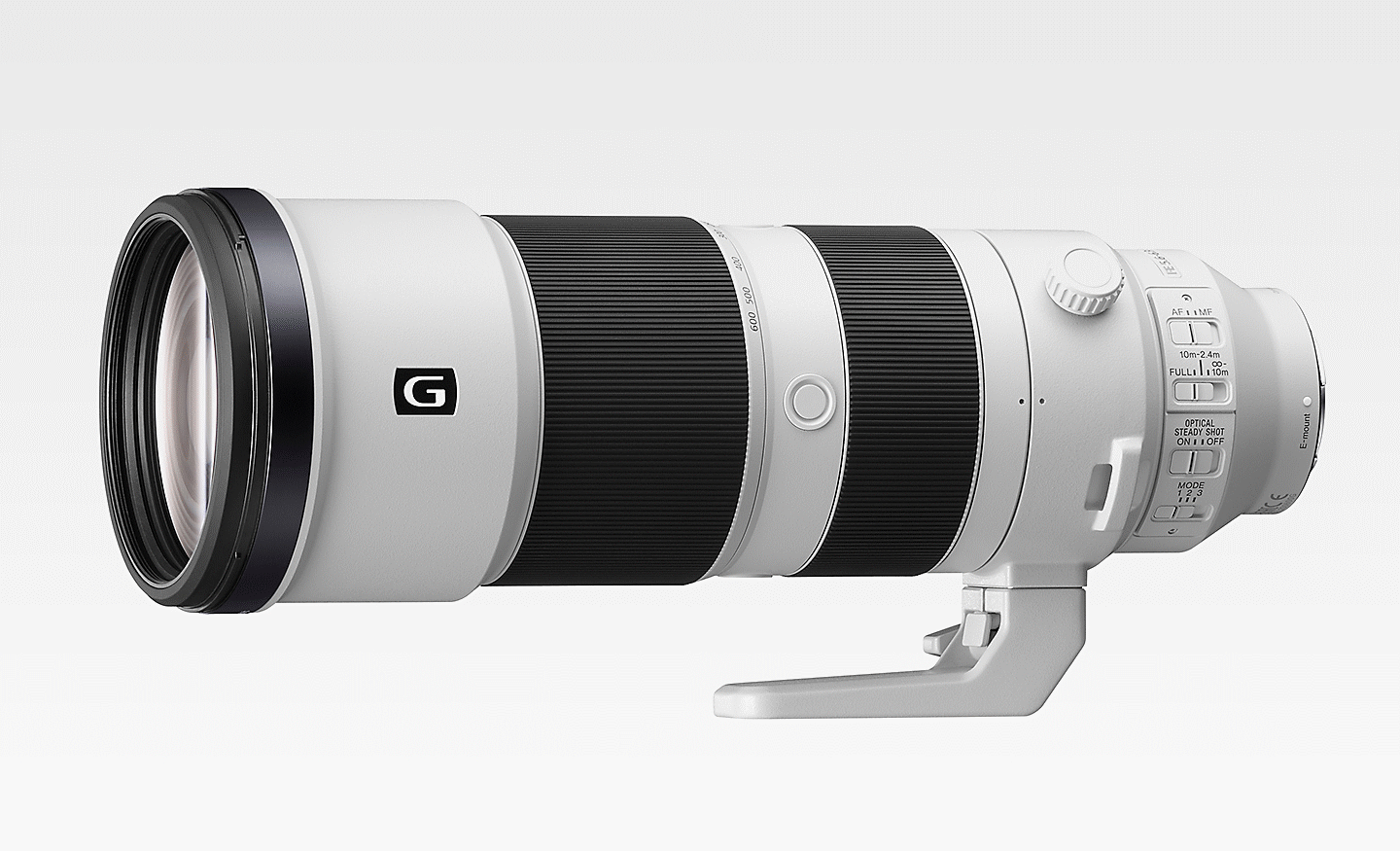
SEL200600G
FE 200-600mm F5.6-6.3 G OSS
Versatile super-telephoto 200-600 mm zoom
• Outstanding corner-to-corner G Lens™ resolution throughout the zoom range, plus beautiful bokeh
• Fast, precise, quiet AF that tenaciously tracks moving subjects

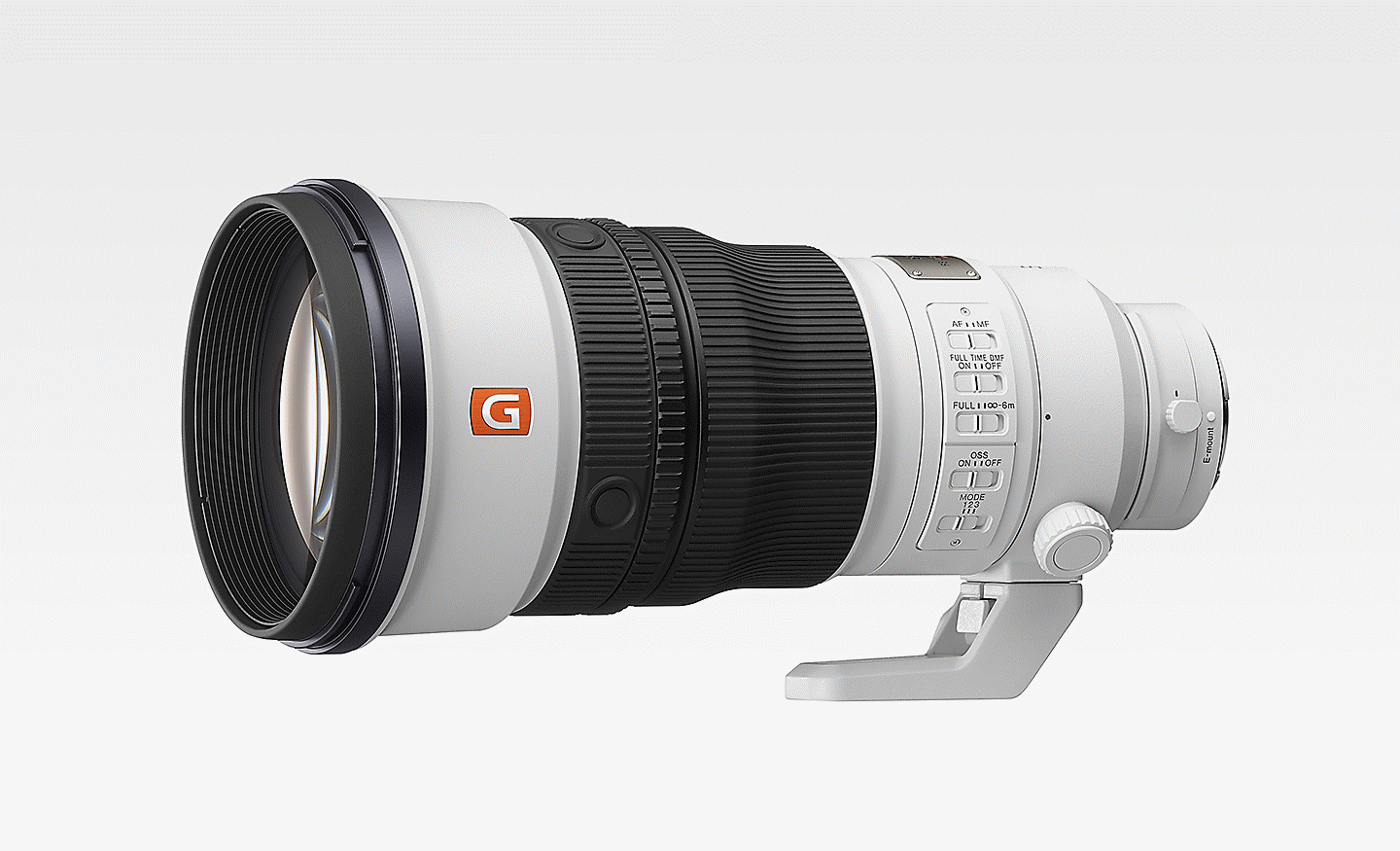
SEL300F28GM
FE 300mm F2.8 GM OSS
Lightweight and ideally balanced telephoto 300 mm F2.8
• Fast, precise AF brings out the full potential of advanced camera bodies
• Exceptional mobility and operability for demanding professionals
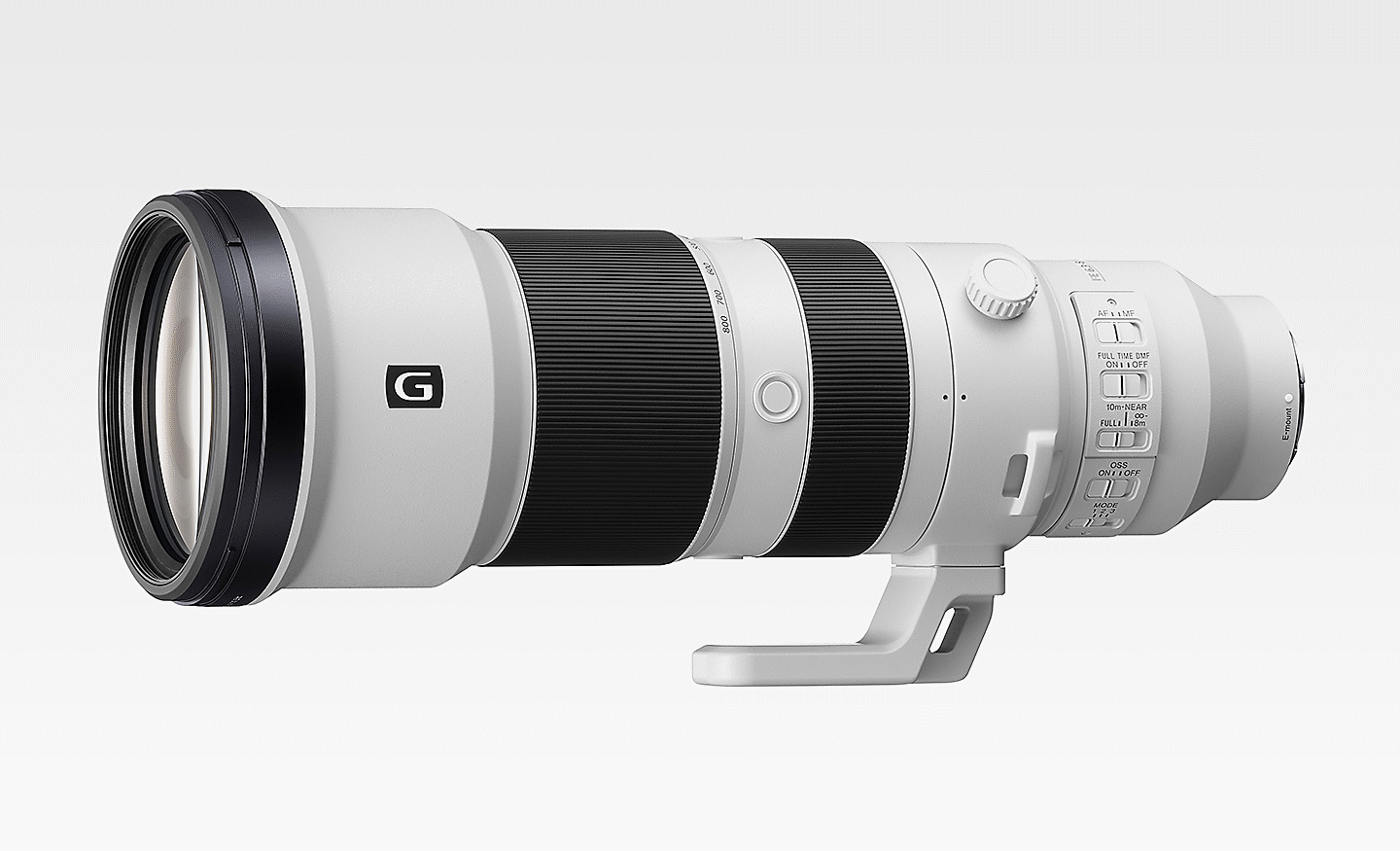
SEL400800G
FE 400-800mm F6.3-8 G OSS
Zoom to 800 mm for beauty beyond the reach of the naked eye
• Excellent optical performance
• High performance AF for both stills and movies
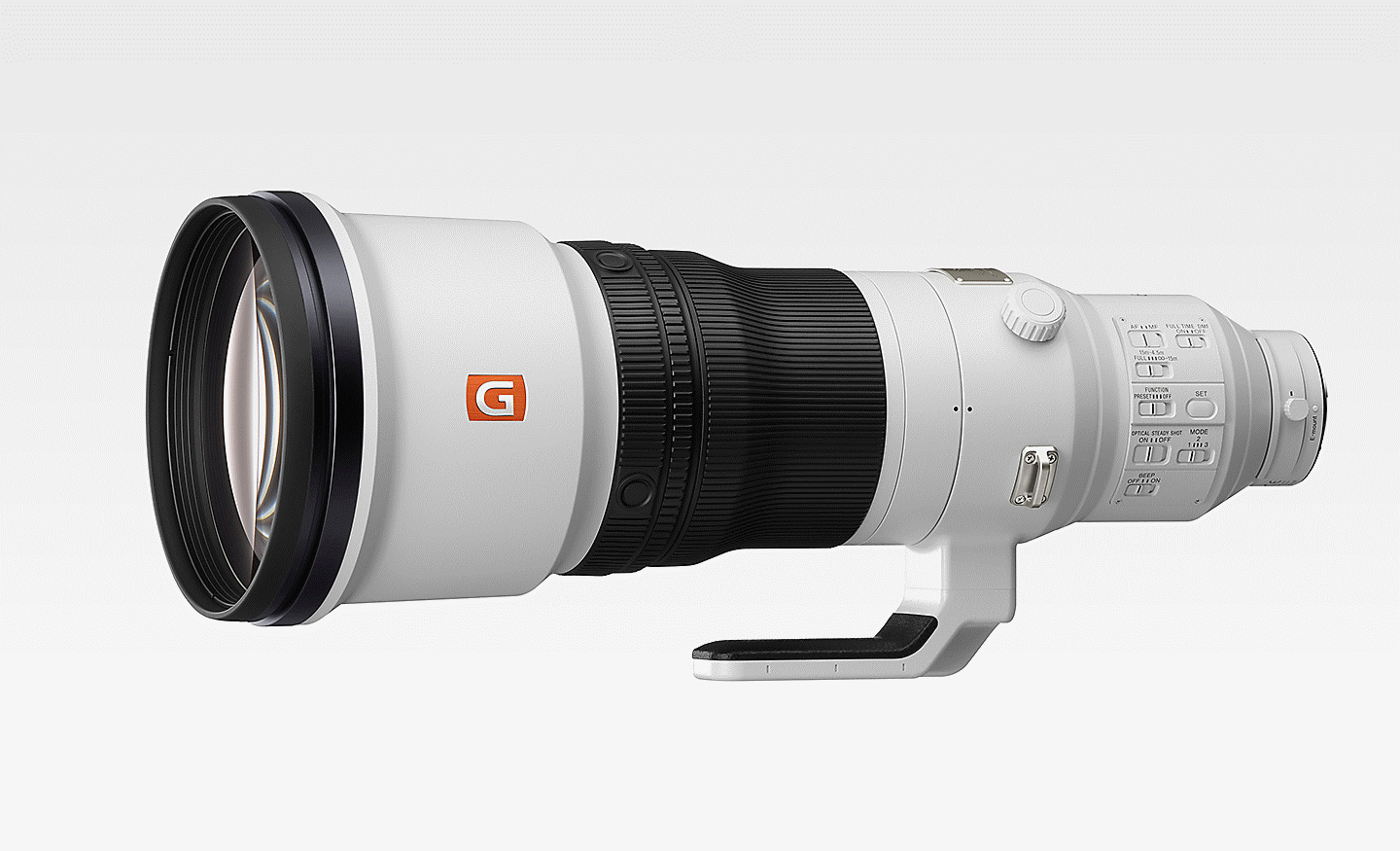
SEL600F40GM
FE 600mm F4 GM OSS
600 mm F4 G Master™ super-telephoto lens
• A large XA (extreme aspherical) element contributes to both stunning resolution and bokeh
• The lightest0 in its class, for unrivalled mobility and balance
Teleconverters to extend focal length and capture distant subjects more closely


Recommended products


Portrait
Highlight the subject. Shape the distance.
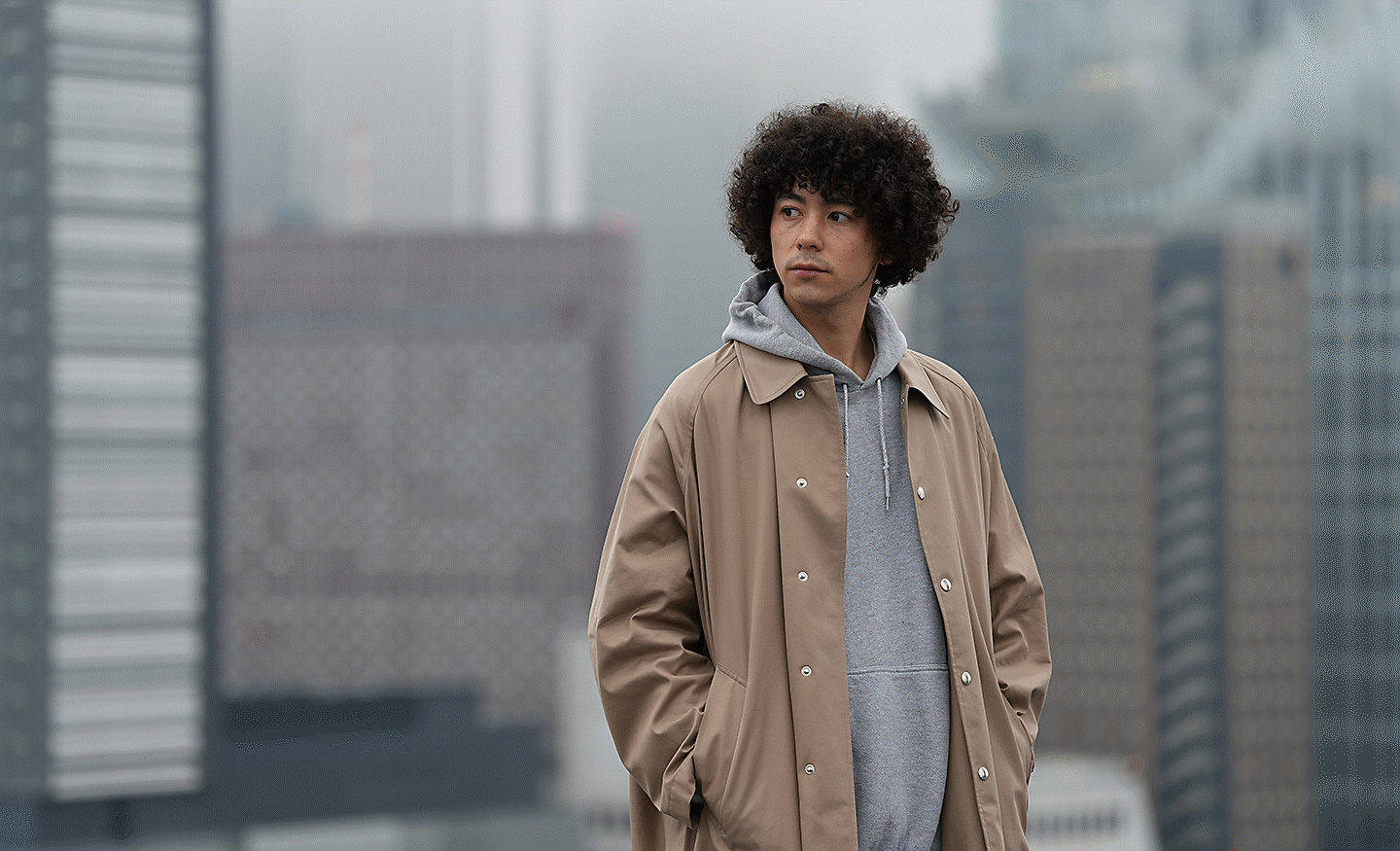
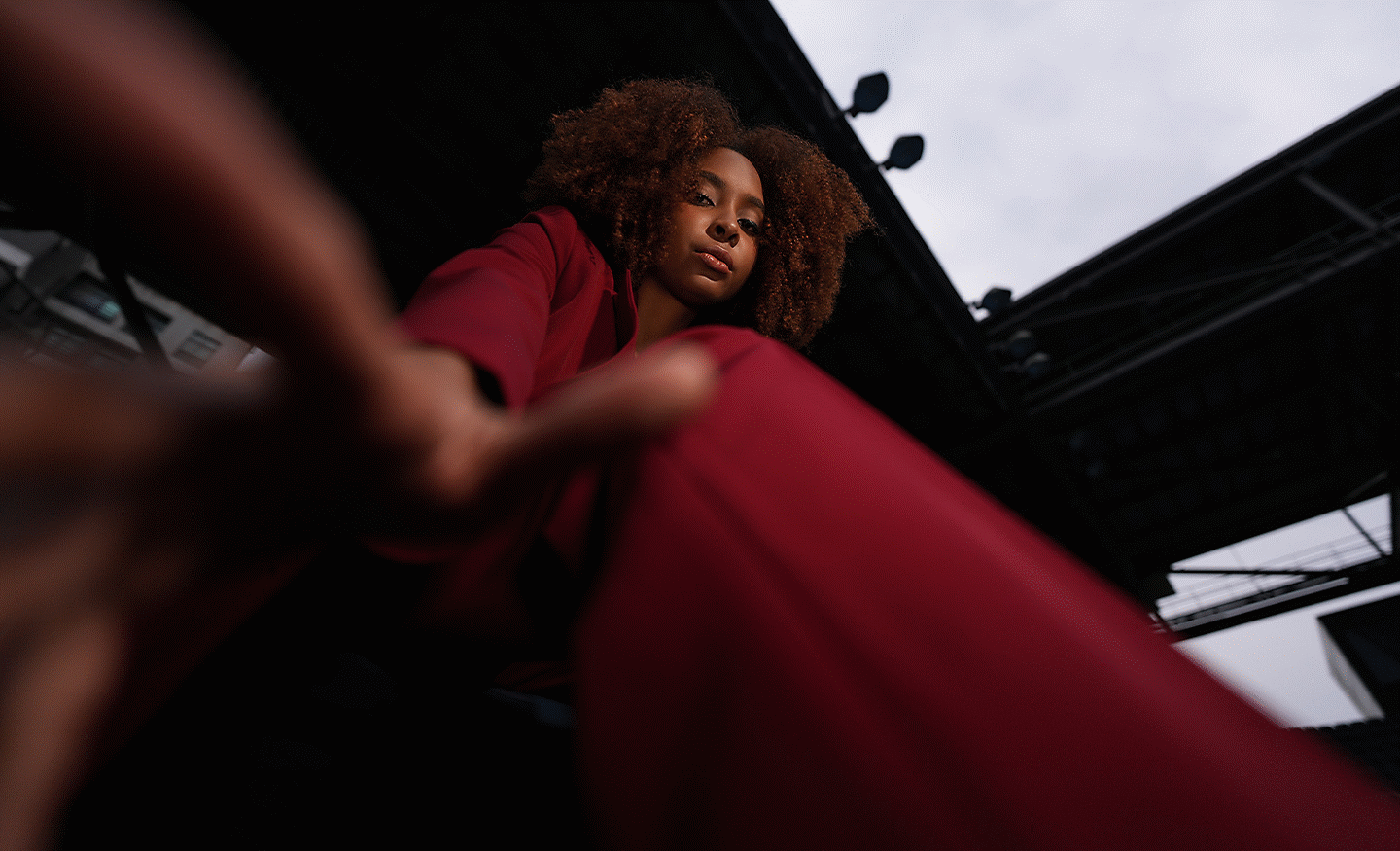
In portrait photography, lens choice affects background defocus and perspective. A wide maximum aperture helps to produce smooth bokeh and separate the subject from the background. Wide-angle lenses place a subject within the surrounding scene and emphasise perspective. Telephoto lenses in the 85–135 mm range provide natural perspective for portraits, with balanced framing of subject and background. Longer telephoto lenses can capture natural expressions and isolate the subject more clearly.
Recommended lenses
SEL85F14GM2
FE 85mm F1.4 GM II
A great portrait lens gets even better
• Improved fast, precise, quiet AF, and high tracking performance maximise the advantages of the latest camera bodies
• Lightweight and stylish design reduces the burden of carrying and extended hand-held shooting

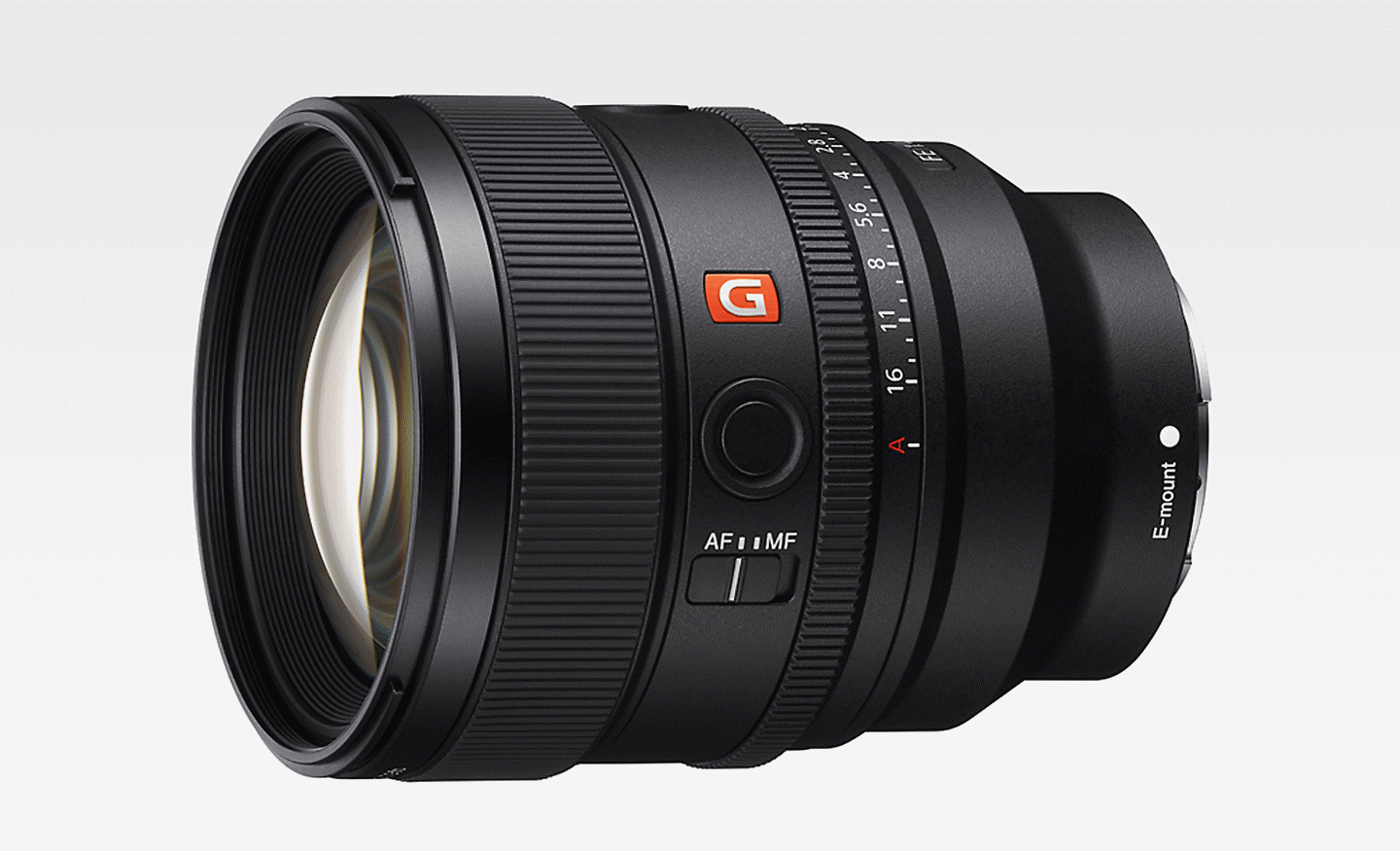
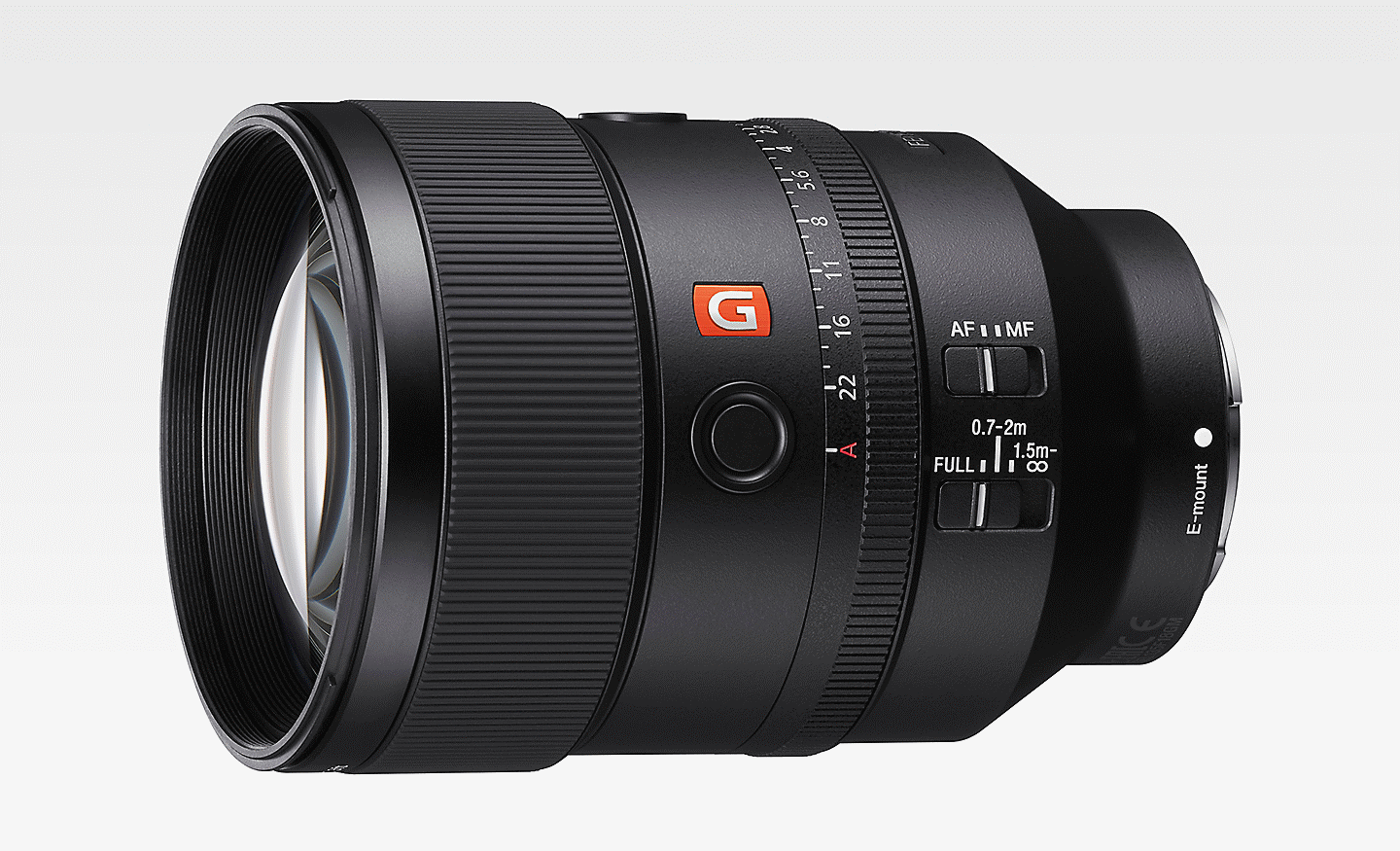
SEL135F18GM
FE 135mm F1.8 GM
An F1.8 135 mm prime with superb resolution, bokeh, and AF
• 135 mm focal length and F1.8 maximum aperture for extremely narrow depth of field with breathtaking G Master bokeh
• Sony’s original XD (extreme dynamic) linear motors offer excellent response and low vibration that contribute directly to fast, precise, quiet AF operation

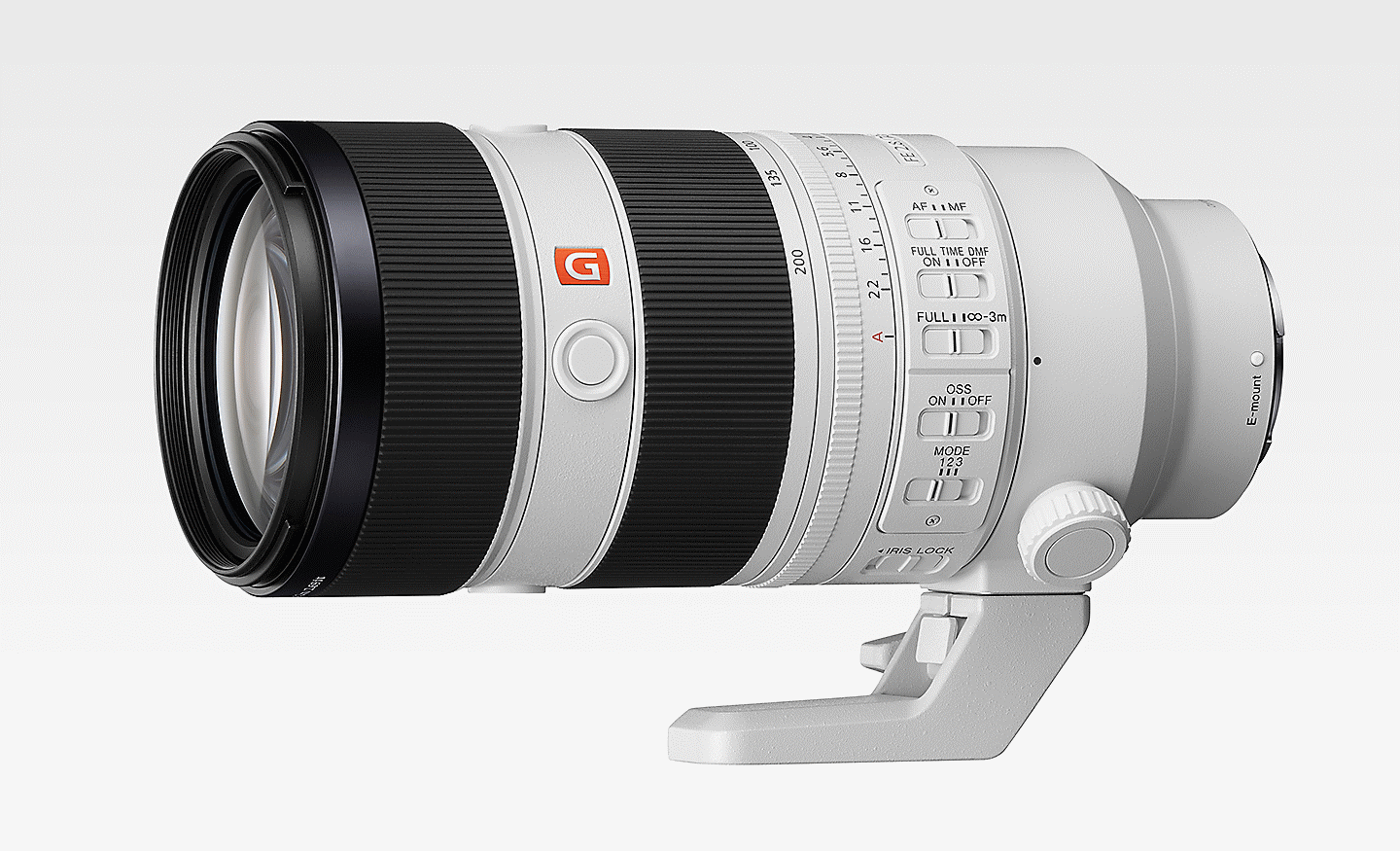
SEL70200GM2
FE 70-200mm F2.8 GM OSS II
Evolved G Master F2.8 telephoto zoom
• Beautiful G Master bokeh achieved through advanced optical design, a constant F2.8 aperture, and the new 11-blade aperture unit
• Up to 4x0 faster AF performance, with four coordinated XD (extreme dynamic) linear motors, optimised for our most advanced camera bodies
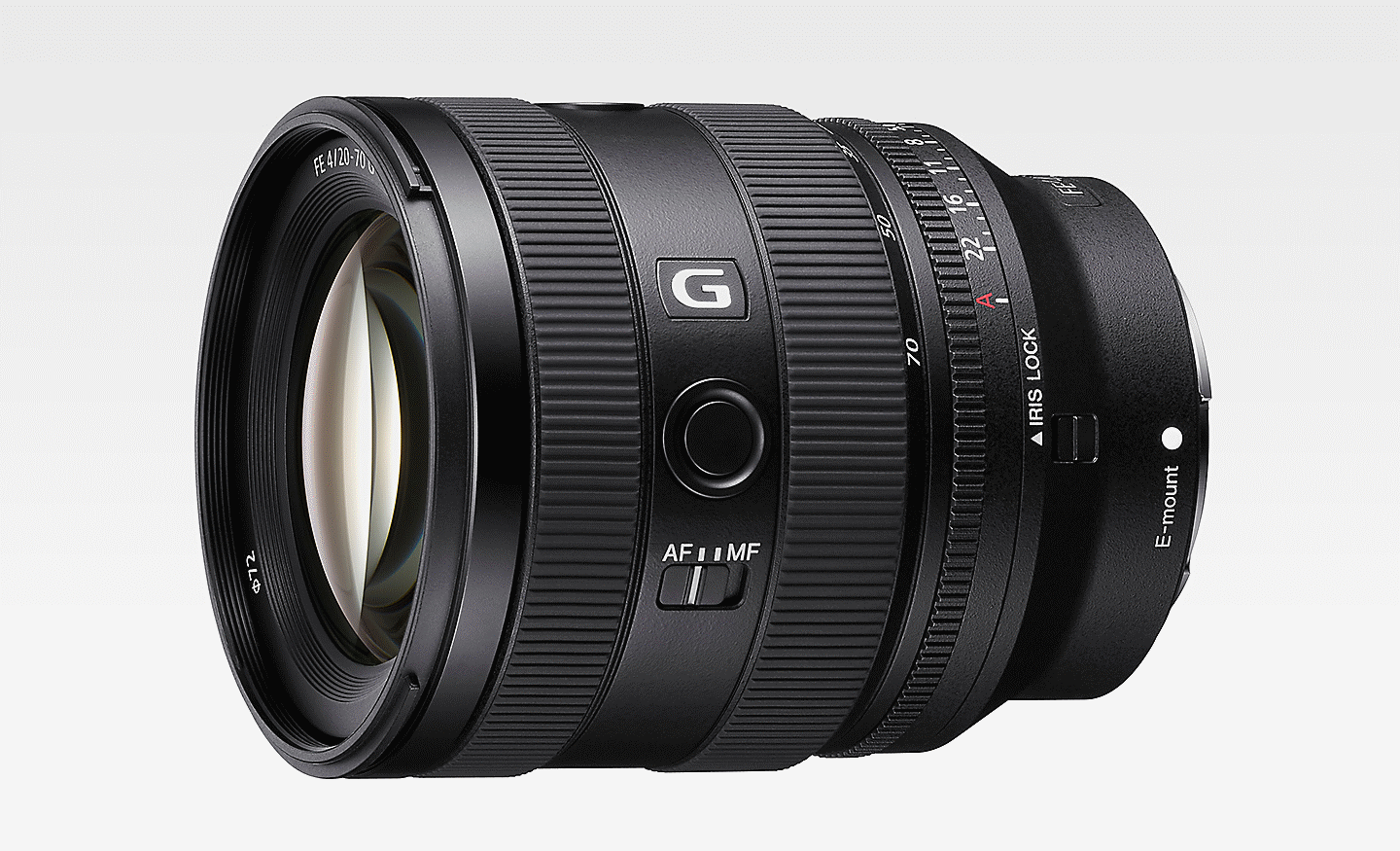
SEL2070G
FE 20-70mm F4 G
Compact, lightweight standard zoom covers ultra-wide 20 mm to 70 mm
• Outstanding G Lens image quality with two AA (advanced aspherical) elements, one aspherical element, three ED (Extra-low Dispersion) glass elements, and one aspherical ED glass element
• Minimum focus distance of 0.3 m (wide) to 0.25 m (telephoto) when using AF

SEL16F18
FE 16mm F1.8 G
Dynamic perspectives and smooth bokeh at 16 mm
• Gorgeous G Lens bokeh and outstanding close-up performance
• Fast AF featuring XD (extreme dynamic) linear motors in a compact lens


Landscape
Framing the world as it unfolds
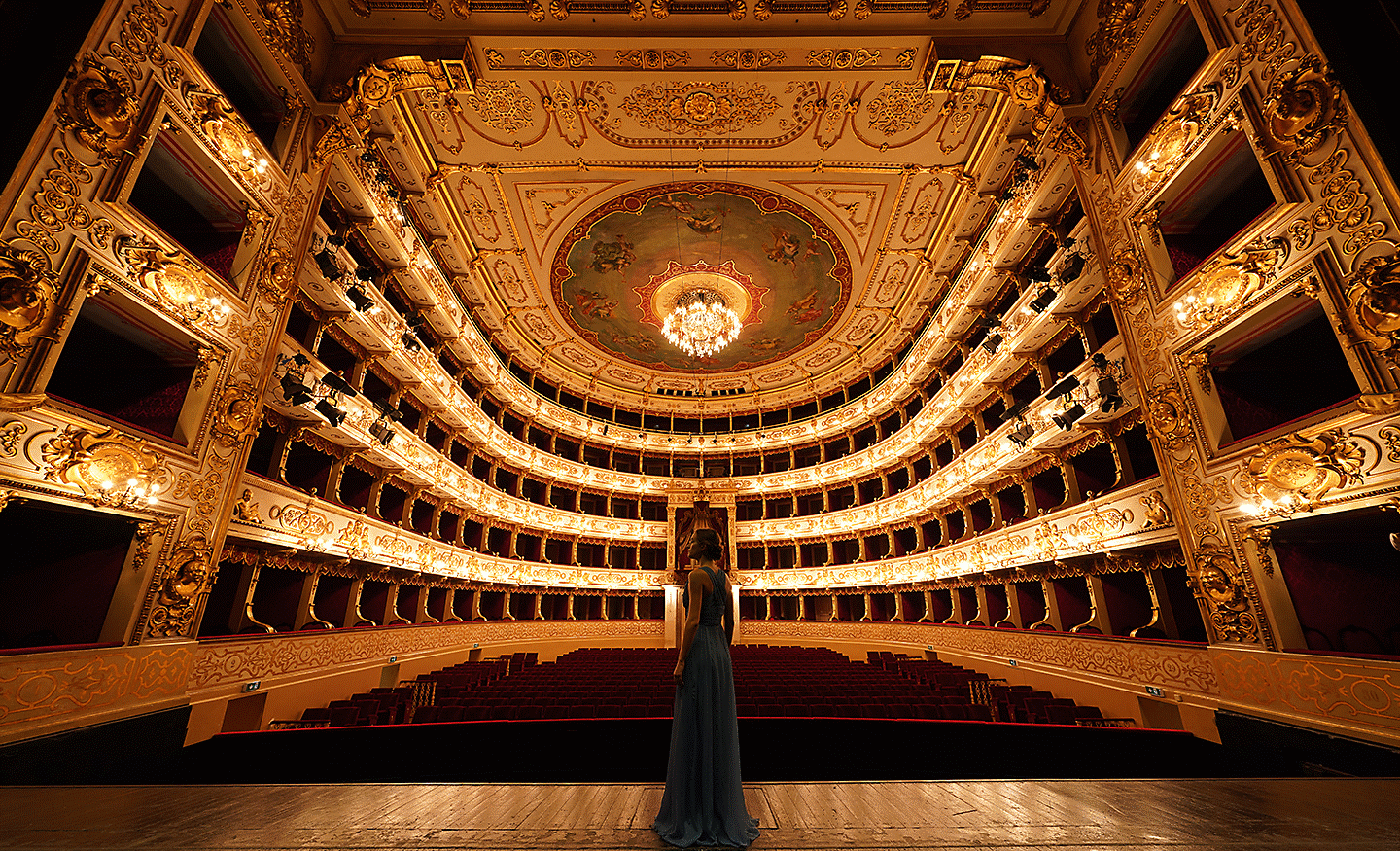
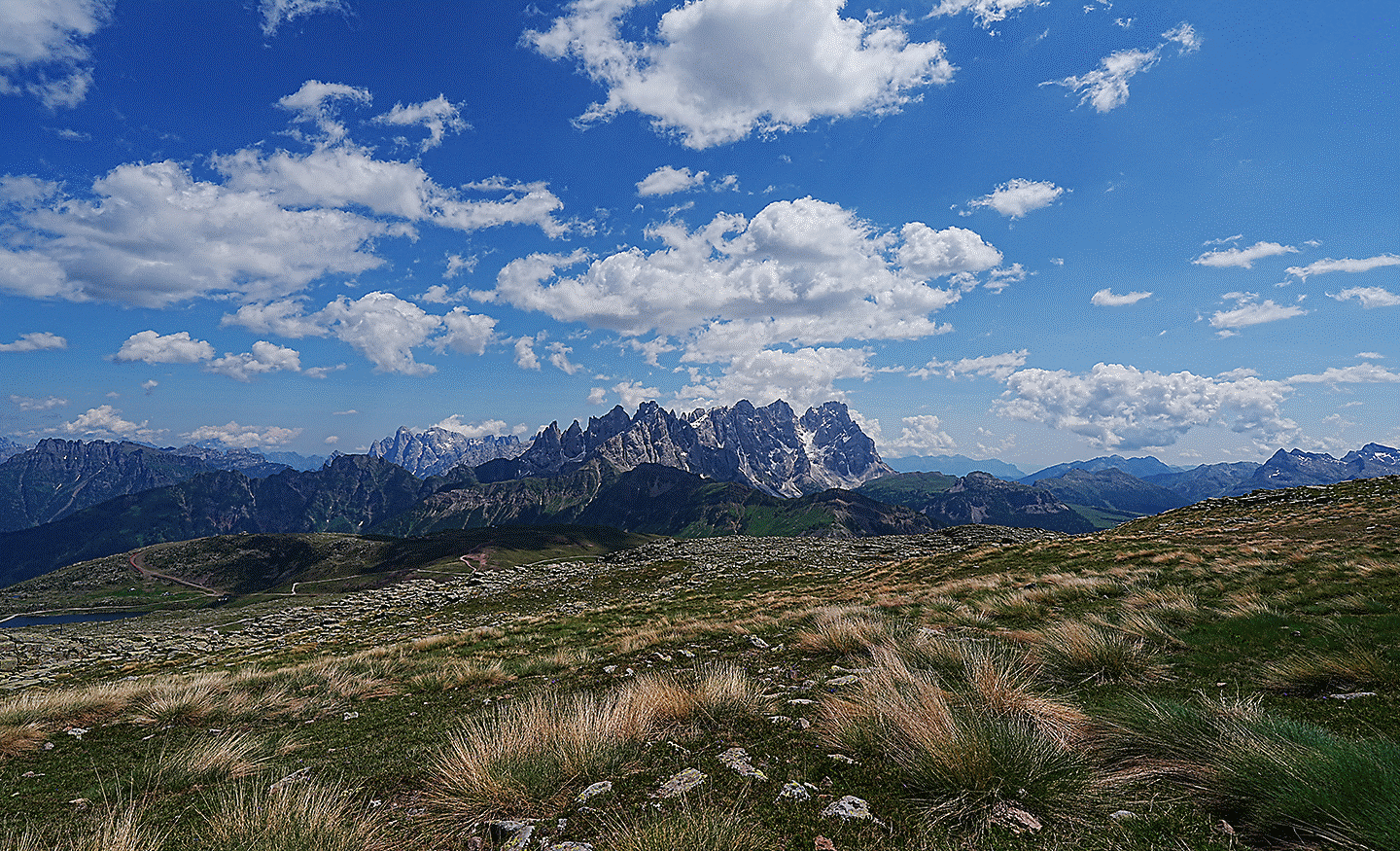
In landscape photography, lenses from ultra-wide to telephoto offer different ways to frame and interpret a scene. Ultra-wide lenses capture expansive views while emphasising depth and perspective. Telephoto lenses can also be effective for landscapes, using the compression effect to make distant elements appear closer together. This approach allows you to create more focused and impactful compositions.
Recommended lenses
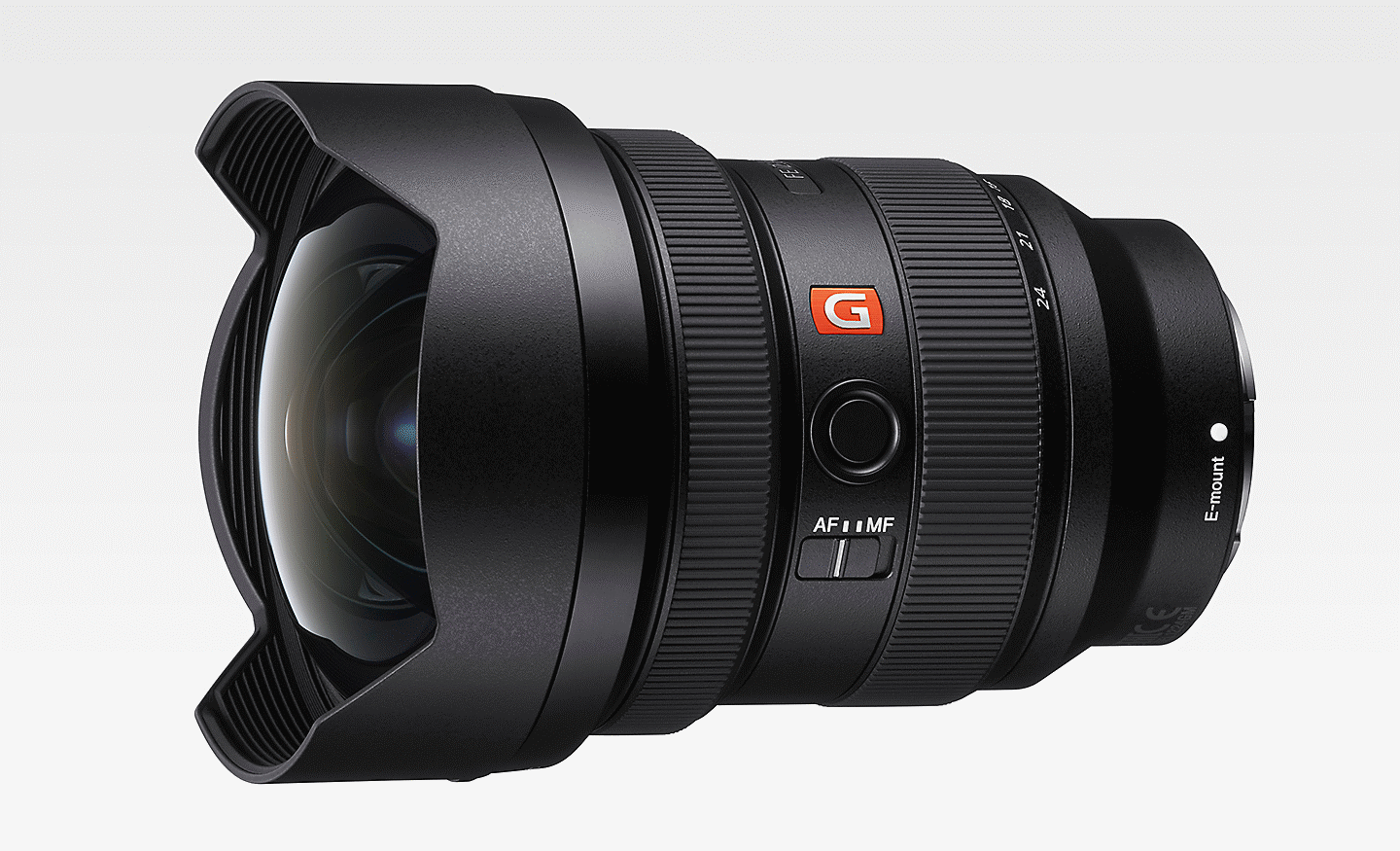
SEL1224GM
FE12-24mm F2.8 GM
Ultra-wide F2.8 12-24 mm zoom
• Compact, lightweight large-aperture ultra-wide zoom
• XD (extreme dynamic) linear motors for outstanding AF speed, precision, and tracking
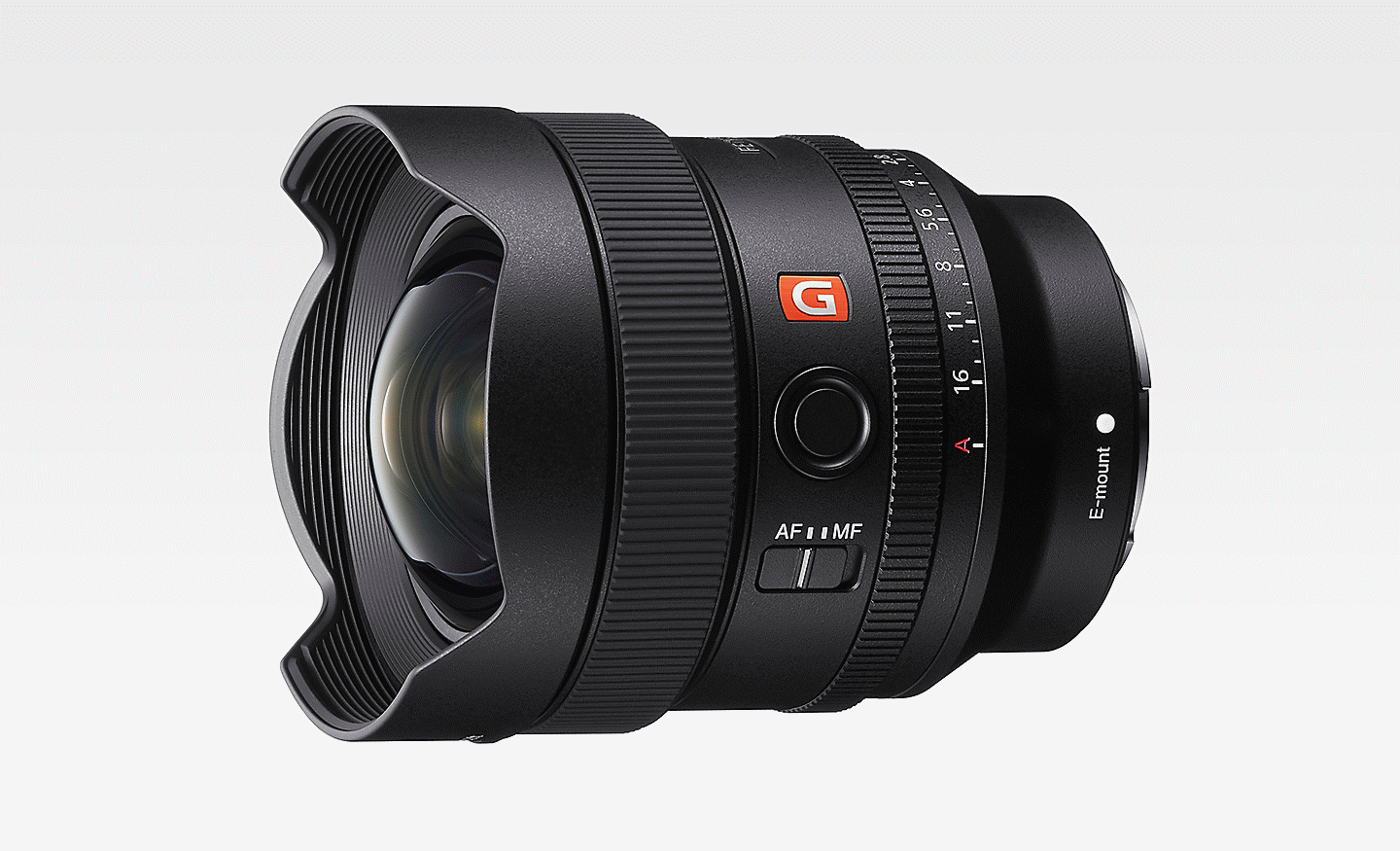
SEL14F18GM
FE 14mm F1.8 GM
New views from a 14 mm F1.8 masterpiece
• Ultra-wide with spectacular corner-to-corner resolution all the way to F1.8
• Minimised sagittal flare for shooting starry skies

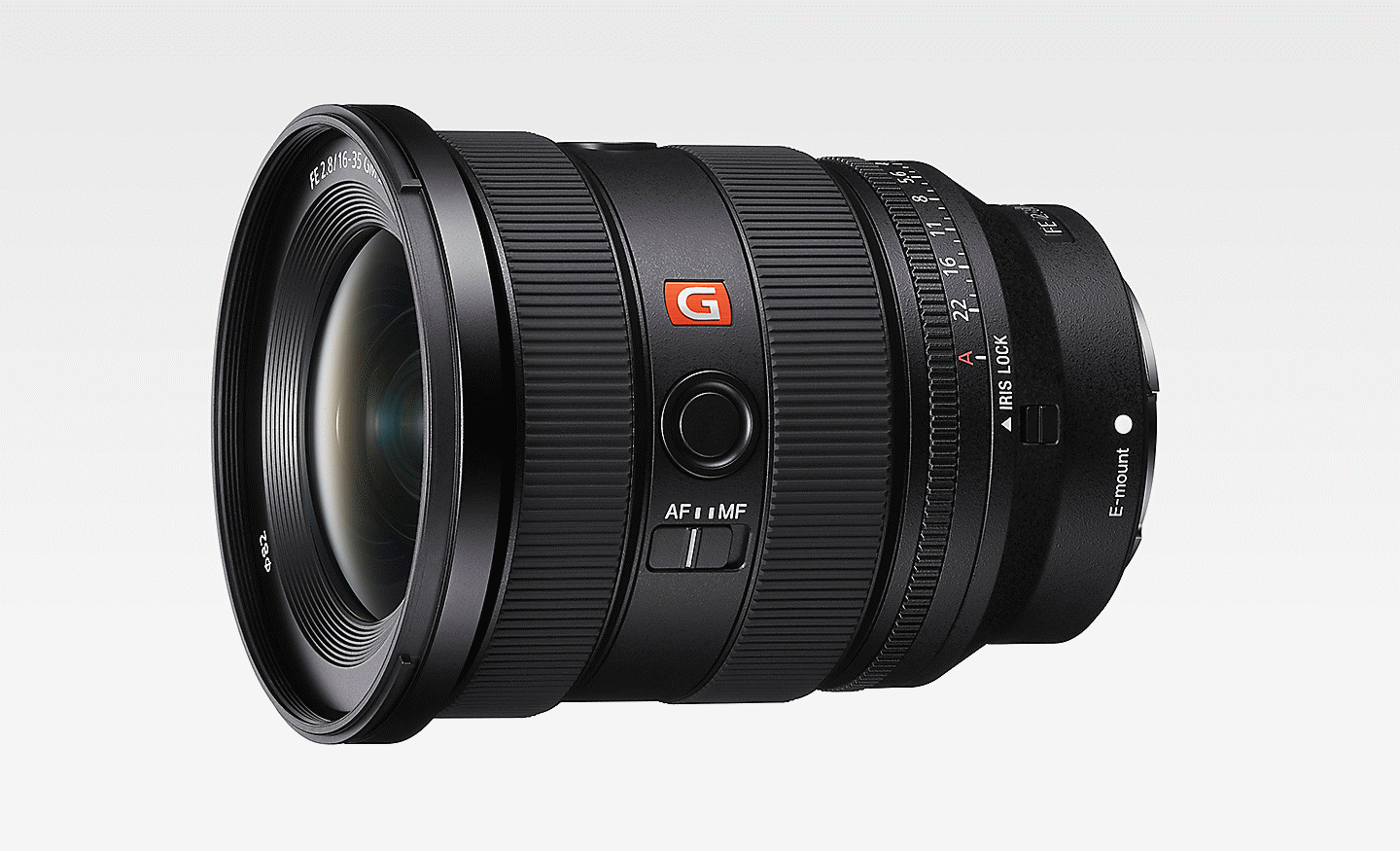
SEL1635GM2
FE 16-35mm F2.8 GM II
The world’s smallest, lightest0 F2.8 wide-angle zoom
• Breathtaking G Master resolution throughout the 16-35 mm zoom range
• Advanced features for movie creators
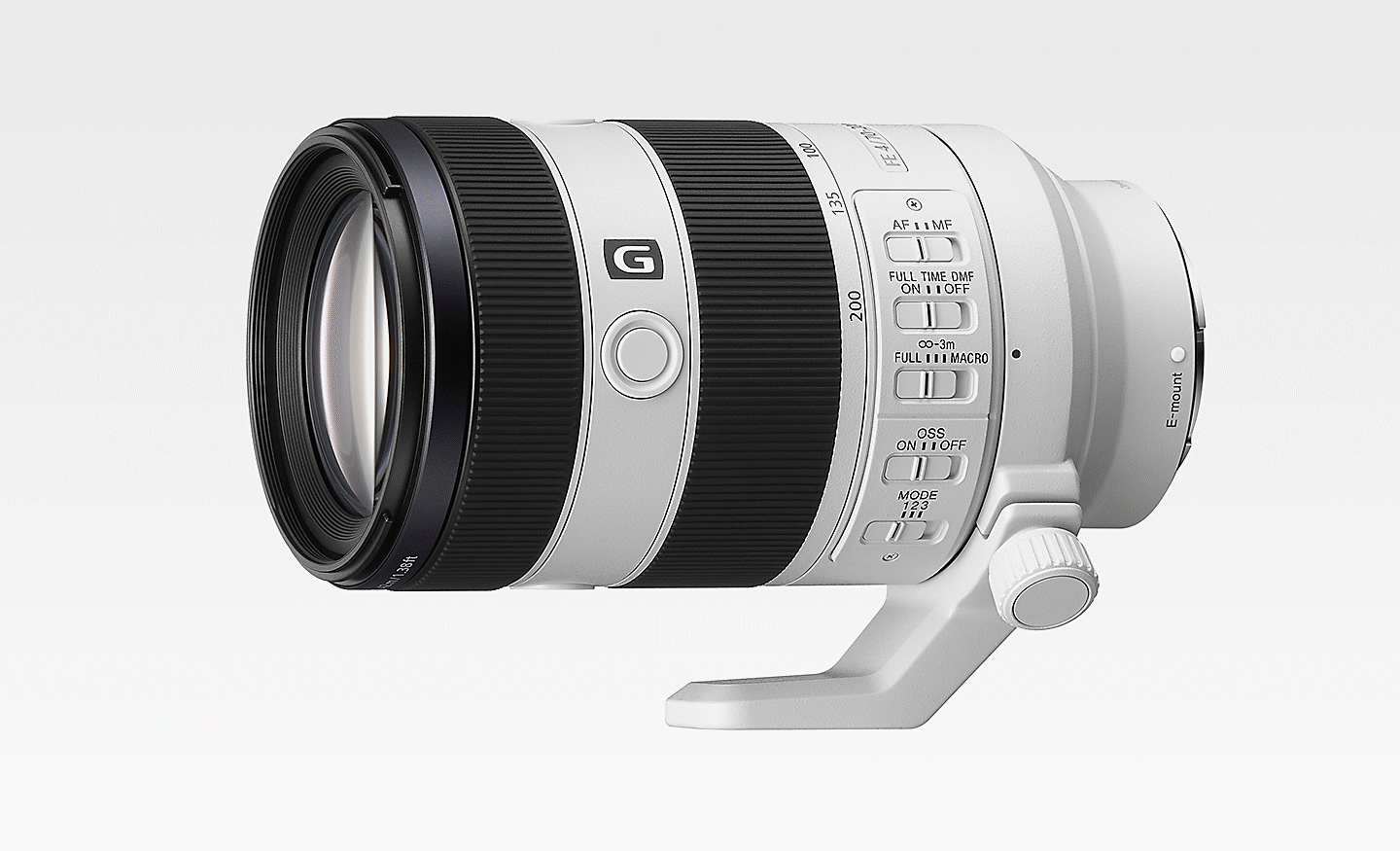
SEL70200G2
FE 70-200mm F4 Macro G OSS II
Compact high-resolution telephoto zoom
• Fast autofocus maximises your camera's high-speed responsiveness
• Movie performance designed for refined imagery

SEL200600G
FE 200-600mm F5.6-6.3 G OSS
Versatile super-telephoto 200-600 mm zoom
• Outstanding corner-to-corner G Lens resolution throughout the zoom range, plus beautiful bokeh
• Fast, precise, quiet AF that tenaciously tracks moving subjects